Lexington's Real Renovation Risk Isn't the Historic District Review
October 1, 2026
October 1, 2026
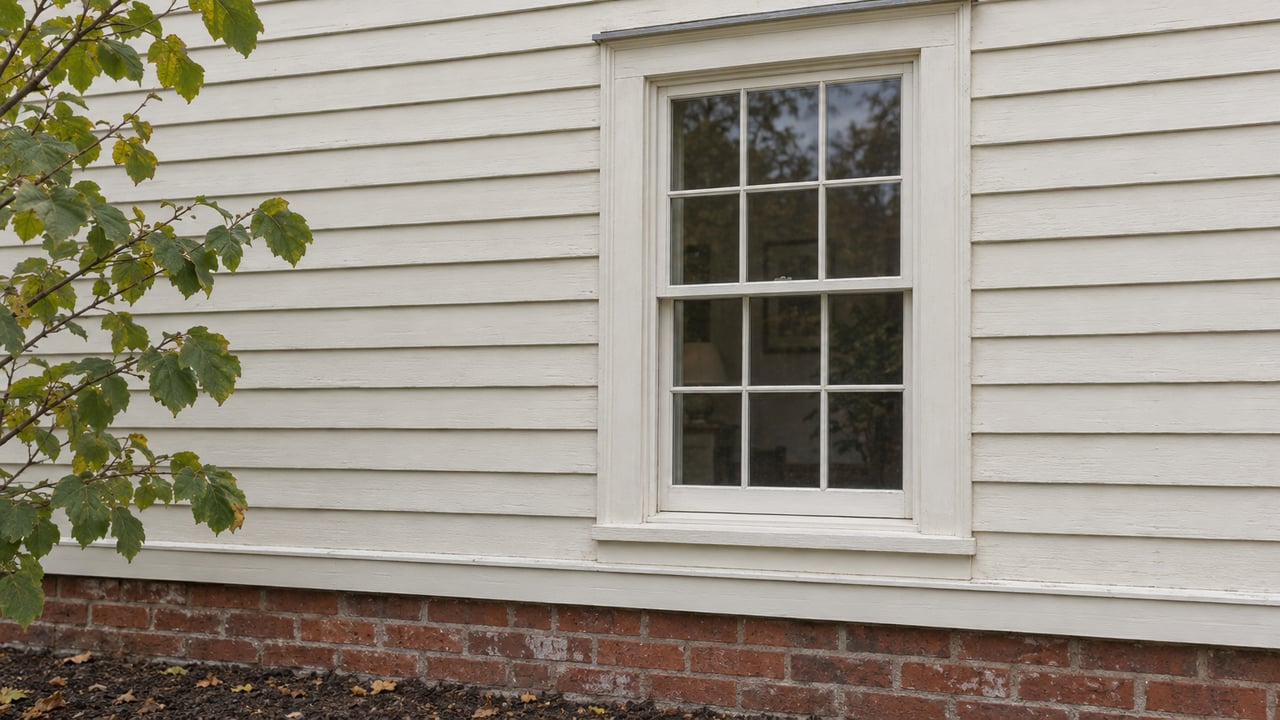
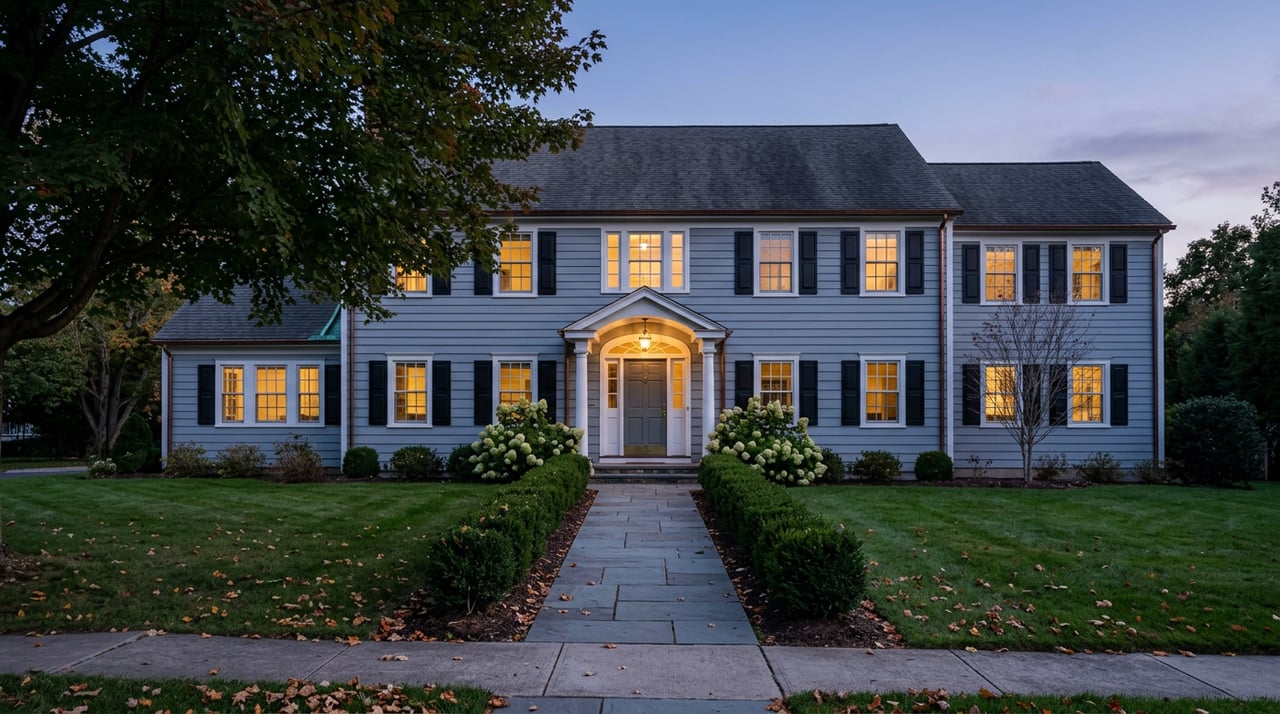
A buyer closes on a colonial near Munroe Hill, checks the town's historic district map, confirms the property sits inside one of Lexington's four registered districts, and expects the Historic Districts Commission to review exterior changes. Two years later, that same buyer applies for a permit to expand the kitchen and add a primary suite, and the project stalls for a completely different reason. The Historic Districts Commission never comes up again. What stops the project is a town-wide energy bylaw.
Lexington runs three separate approval systems that touch older housing stock, and they don't overlap the way most buyers assume. One is about how a house looks. One is about whether a house can be demolished at all. One is about how much of a house you're willing to gut. Confusing any of the three for another is where renovation budgets and timelines go sideways.
Lexington's Historic Districts Commission was created by a special act of the state legislature, Chapter 447 of the Acts of 1956, and it has jurisdiction over exactly four registered historic districts in town. Inside those districts, the commission reviews construction, demolition, exterior renovation, color changes, and signage.
The commission's five full members and four associate members, appointed by the Select Board for five-year terms, meet monthly to weigh in on windows, siding, additions, and demolition.
The rule that catches most buyers off guard isn't geographic at all. According to Lexington's Fossil Fuel Free Demonstration Program, the town is one of ten Massachusetts communities approved for the state program, and its local bylaw took effect on March 21, 2024. The bylaw concerns new on-site fossil fuel infrastructure, including gas, oil, or propane piping and the appliances that run on it.
The trigger isn't the house's age or its historic status. It's project scope. The bylaw applies to residential additions over 1,000 square feet, and to renovations that alter more than half of a home's existing conditioned space.
Those thresholds apply the same way to a 1962 ranch in a neighborhood with no historic designation as it does to an 1890s farmhouse inside one of the four registered districts. Lexington's own reasoning for the bylaw is direct: buildings account for roughly 73 percent of the town's greenhouse gas emissions, and most of that comes from fossil fuel heating and cooling systems, which is why the town opted into the state program alongside Acton, Aquinnah, Arlington, Brookline, Cambridge, Concord, Lincoln, Newton, and Northampton.
This is the part that trips up buyers doing a single mental checklist for "old house risk." A property inside one of the four historic districts might sail through the Historic Districts Commission on paint and trim and still be subject to the bylaw once a renovation crosses the 50 percent or 1,000-square-foot line, because that line has nothing to do with the district boundary. Meanwhile, a house with no historic designation at all, sitting well outside any of the four districts, still merits a separate look at project scope when a homeowner starts planning a significant addition.
A statewide review by CommonWealth Beacon found that even in the ten fossil fuel free communities, utilities have continued spending heavily on gas infrastructure nearby. Staying under the bylaw's scope thresholds is often the more predictable path, both on cost and on timeline.
There's a separate process to consider if a buyer is considering demolition rather than renovation. Lexington's Historical Commission, a different body from the Historic Districts Commission, maintains a Cultural Resources Survey documenting more than 1,400 historic resources across town, most of them outside the four registered districts entirely. Under the town's Demolition Delay bylaw, demolition can face a delay of up to 21 months, reduced to 12 months if a site plan has already been approved.
The town's Prepare for Demolition Delay Public Hearing guidance says the commission can release a demolition application early if no buyer is likely to preserve the building.
The gap between renovation-ready and renovation-heavy inventory shows up in how differently two parts of town are trading. Over the three months ending August 2026, East Lexington's median sale price came in around $1.2 million, down 18.6 percent from the same period a year earlier, with homes taking an average of 46 days to sell, nearly three times the 16-day pace from a year prior. Over the three months ending May 2026, the most recent window reported for that pocket of town, Lexington Town Center's median sale price ran closer to $2.4 million, up 36.5 percent year over year, with homes moving in about 20 days.
Town-wide, the picture sits in between: a median sale price near $1.6 million over the three months ending August 2026, down 13.8 percent from a year earlier, with homes averaging 28 days on market and drawing about four offers apiece.
Some of that Town Center premium reflects location and lot size that predate any of these bylaws. But the pattern is also consistent with what a buyer would expect if renovation-scope risk were getting priced in. Homes that are already updated, where a new owner isn't staring down a 50-percent-of-conditioned-space renovation, carry less exposure to the fossil fuel free threshold and less uncertainty about historic district sign-off timing. Homes that clearly need substantial work, especially in older, larger-lot pockets like East Lexington, are the ones sitting longer, which tracks with buyers taking more time to underwrite what a serious renovation actually costs and how long it takes to permit.
Three checks answer three different questions, and none of them substitute for the others.
Whether the property sits inside one of Lexington's four historic districts helps answer whether historic-district review may apply.
Whether the property appears on the town's Cultural Resources Survey is another detail to check if you're considering demolition.
Whether the renovation you're planning will alter more than half the home's conditioned space, or add more than 1,000 square feet, answers the electrification question
A buyer who confirms only the first one has answered the question everyone assumes matters and missed the two that more often change the budget.
Does every renovation in Lexington have to go all-electric? No. The fossil fuel free bylaw applies specifically to additions over 1,000 square feet and to renovations altering more than 50 percent of a home's existing conditioned space. Projects that do not exceed either stated threshold fall outside the rule.
If my house isn't in one of the four historic districts, am I free of historic review? Not necessarily. Lexington has a separate demolition-delay process to consider.
If you're weighing an older Lexington property and want the district map, the Cultural Resources Survey, and the renovation-scope math worked out before you write an offer, Kelly Kovacs will walk through all three with you and schedule a free consultation to plan it properly.
This article is general information, not legal, tax or financial advice. Consult a qualified professional about your situation.
Stay up to date on the latest real estate trends.


Real estate is about more than just a transaction—it's about your future. Whether you're buying, selling, or investing, let's work together to make your vision a reality.