How to Spot Potential in Older Cambridge Homes
June 25, 2026
June 25, 2026
If you have ever walked through an older Cambridge home and thought, This could be amazing, but I’m not sure what I’m really looking at, you are not alone. In a market where prices are high and inventory is tight, hidden value often comes from seeing past dated finishes and focusing on what can actually improve function, light, and long-term usability. The good news is that older Cambridge homes often reward a careful, research-driven eye. Let’s dive in.
Cambridge is not a market where extra square footage is easy to find or where every buyer can simply wait for a perfect turnkey home. The city’s housing stock is limited, and the mix of property types tells an important story about where opportunity may show up.
According to Cambridge housing data, only 6.4% of the city’s dwelling units are single-family homes. The city also reports meaningful shares of two-unit, three-unit, and larger multifamily buildings, which means many buyers are competing for older housing forms with long histories and very specific layouts.
Pricing reinforces why hidden value matters so much here. In 2024, Cambridge reported median market-rate sale prices of $2.315 million for single-family homes, $1.5425 million for two-family homes, $1.8225 million for three-family homes, and $870,000 for condominiums. When pricing is this compressed and competitive, a home that needs thoughtful updating can create a more realistic path into the market.
For analytically minded buyers and investors, the rental side matters too. Cambridge’s 2025 Q3 market-rate asking-rent survey reported median asking rents of $2,200 for studios, $2,785 for one-bedrooms, $3,400 for two-bedrooms, and $3,900 for three-bedrooms. That does not make every older home a rental play, but it does show why layout, usability, and maintenance decisions can have real value implications.
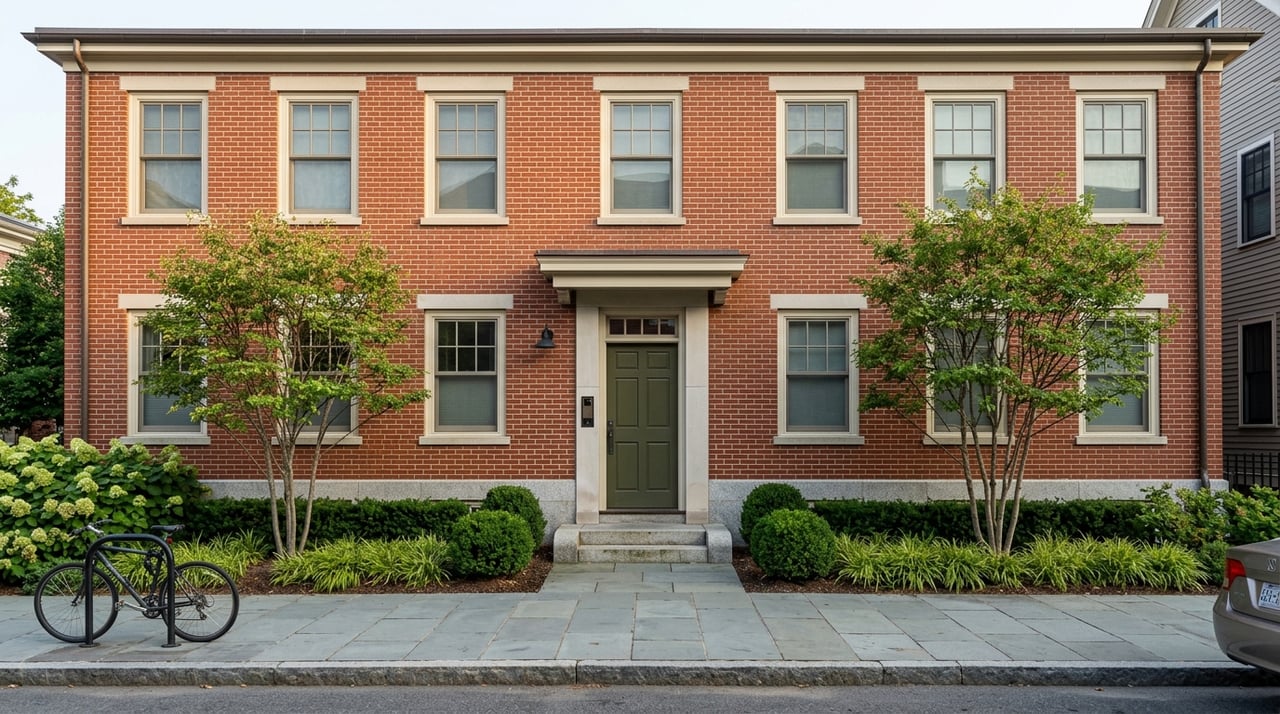
One advantage of older Cambridge housing is that it often follows readable architectural forms. The city and the Cambridge Historical Commission describe long-standing patterns like turn-of-the-century two- and three-decker apartments, wood-framed dwellings, older brick apartment buildings, and established two-family house forms.
That matters because hidden value is easier to spot when a home’s basic structure makes sense. A house may have worn finishes, awkward staging, or outdated systems, but if the underlying plan is part of a common and proven Cambridge housing type, you may be looking at a problem that is easier to understand than it first appears.
The Cambridge Historical Commission notes that more than a thousand two-family houses were built between 1885 and 1935, especially in areas like North and West Cambridge. Those homes often came from standardized plans and stock materials, which means buyers can sometimes identify recurring strengths and recurring challenges from one property to the next.
In practical terms, that can help you focus less on surface-level distractions and more on the structure, room flow, and livability of the home in front of you.
In older Cambridge homes, the best first question is not always How old is the kitchen? It is often Does this layout work well enough to improve without major structural change?
Cambridge’s historic development pattern was established long before the automobile. As a result, many homes reflect older assumptions about circulation, room placement, entry sequences, and lot shape. That is why two homes with similar square footage can feel completely different in daily life.
When you walk an older home, pay attention to the following:
A home can look choppy on paper and still hold real upside. If the basic plan can be made more coherent with targeted changes instead of a full gut renovation, that is often where hidden value begins.
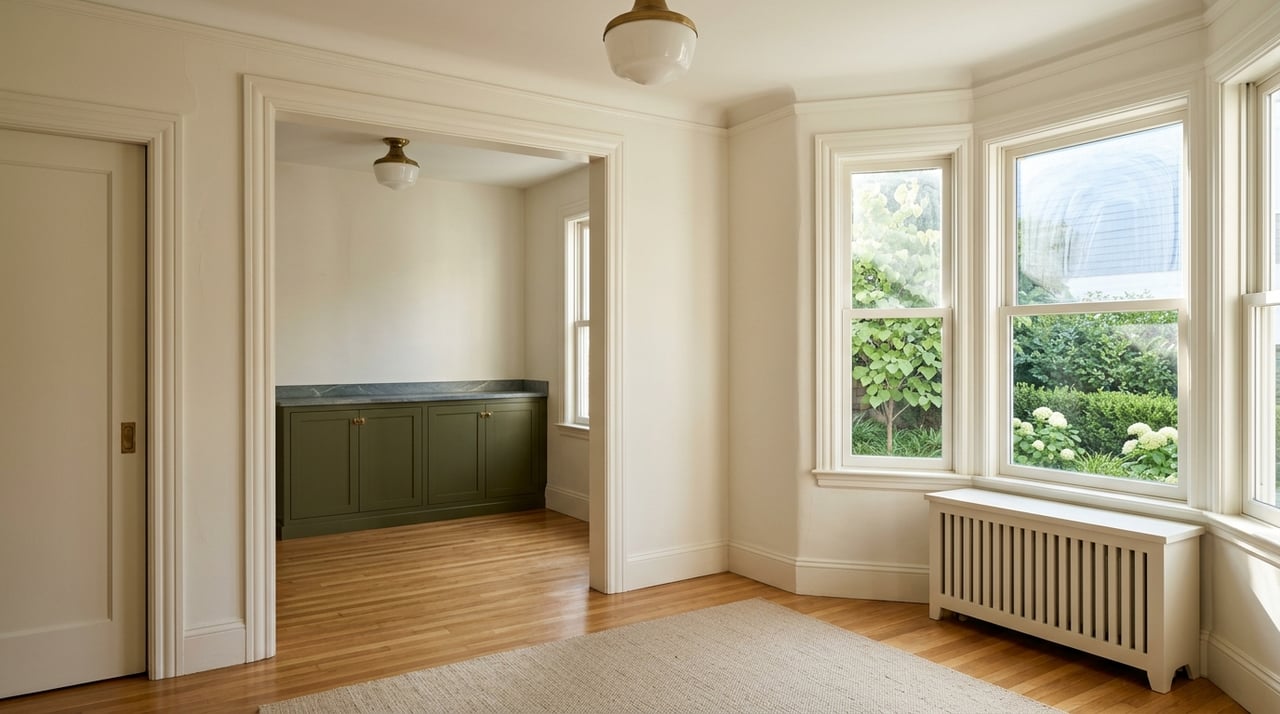
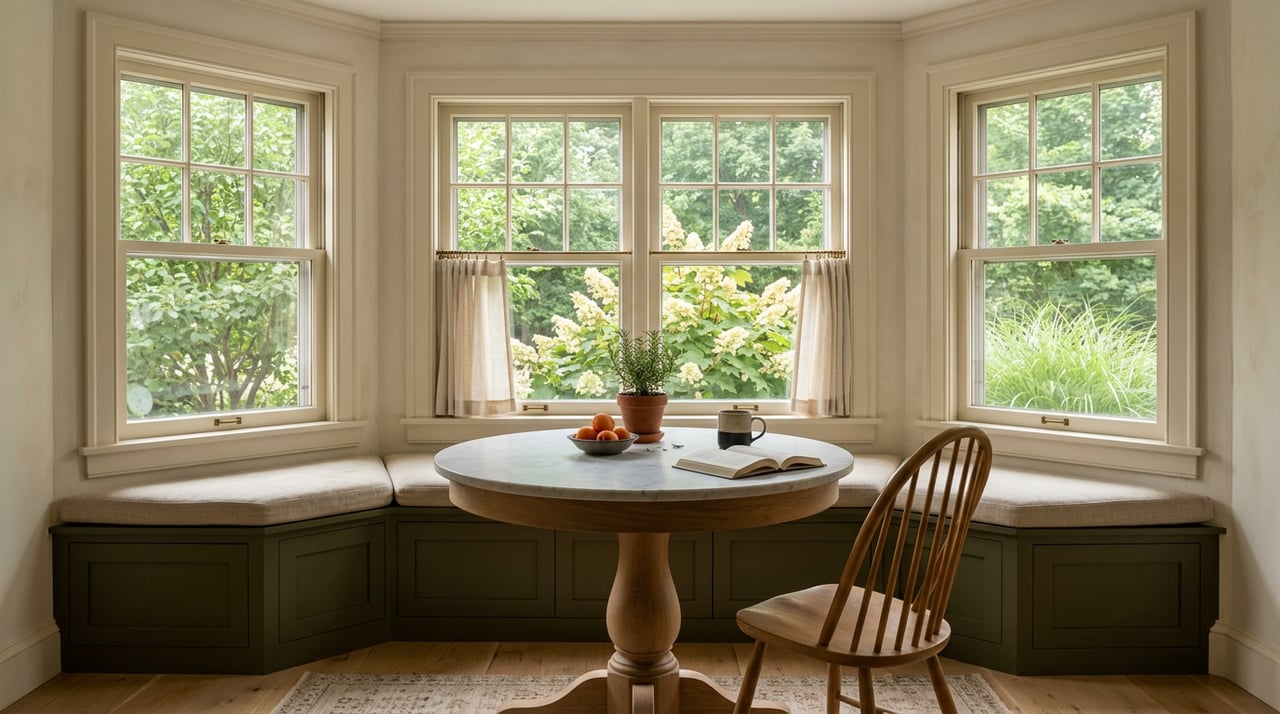
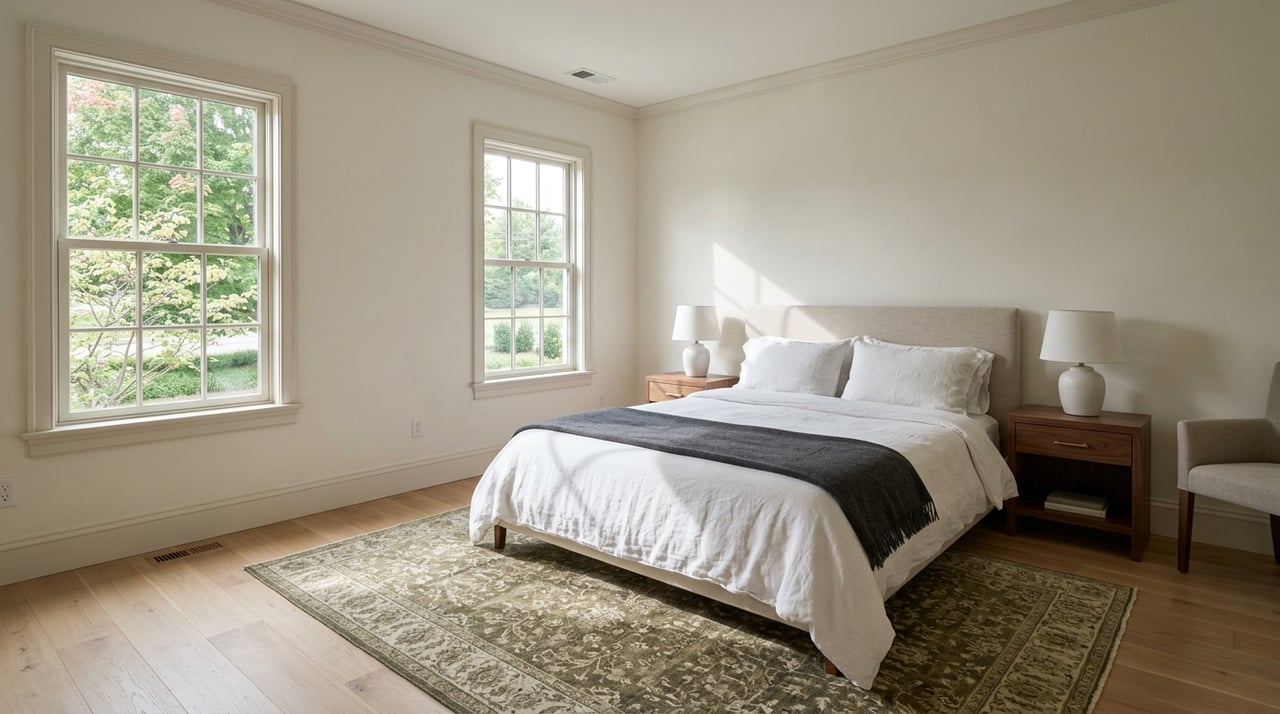
Light is one of the most underrated value drivers in an older Cambridge home. The Cambridge Historical Commission’s window guidance emphasizes that windows are essential for light, ventilation, and visibility, which is not just a preservation point. It is also a livability point.
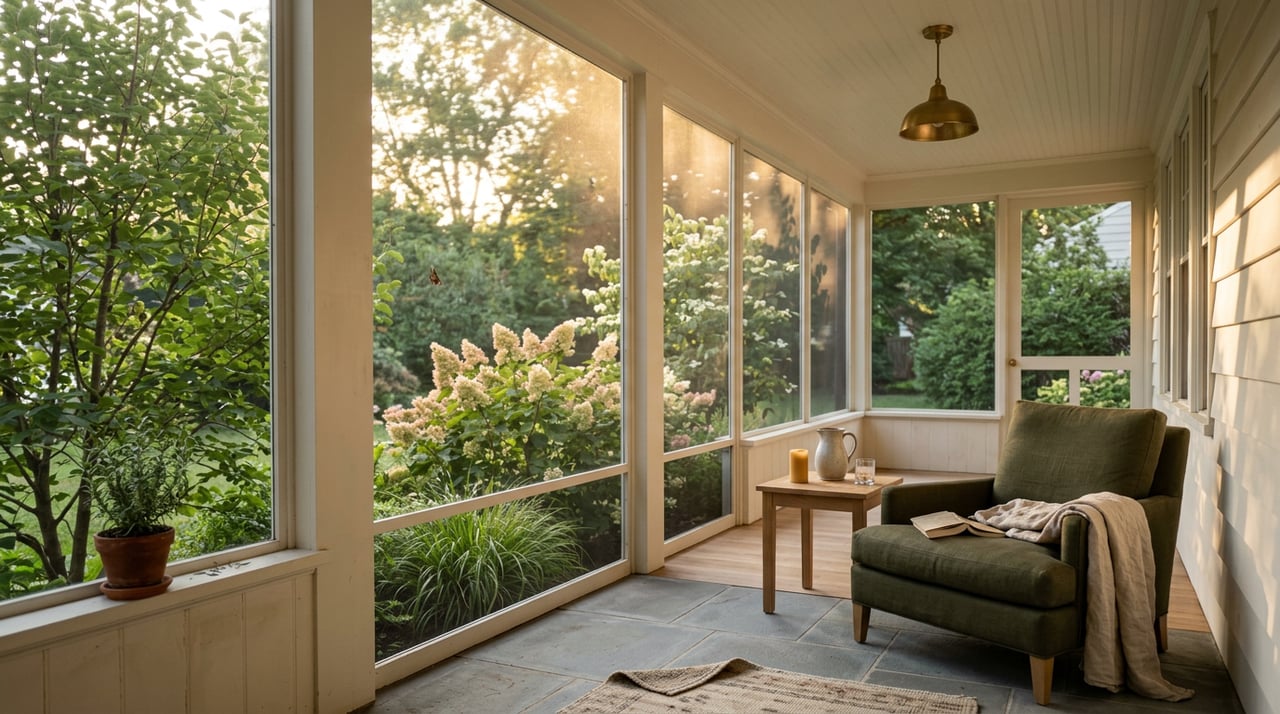
If a home has strong window placement, decent exposure, and original openings that still support good daylight, that can be a major advantage. Even when interiors feel tired, natural light can make the home feel larger, more inviting, and more functional.
This is one reason I encourage buyers to separate condition from potential. A room with worn paint and older trim may still be a strong room if it gets good light and has the right proportions. On the other hand, a heavily renovated room with poor light and awkward flow may still feel compromised after the work is done.
Not every Cambridge opportunity needs a major renovation budget. In many older homes, the most effective improvements are the ones that improve how the home lives and presents without changing its basic structure.
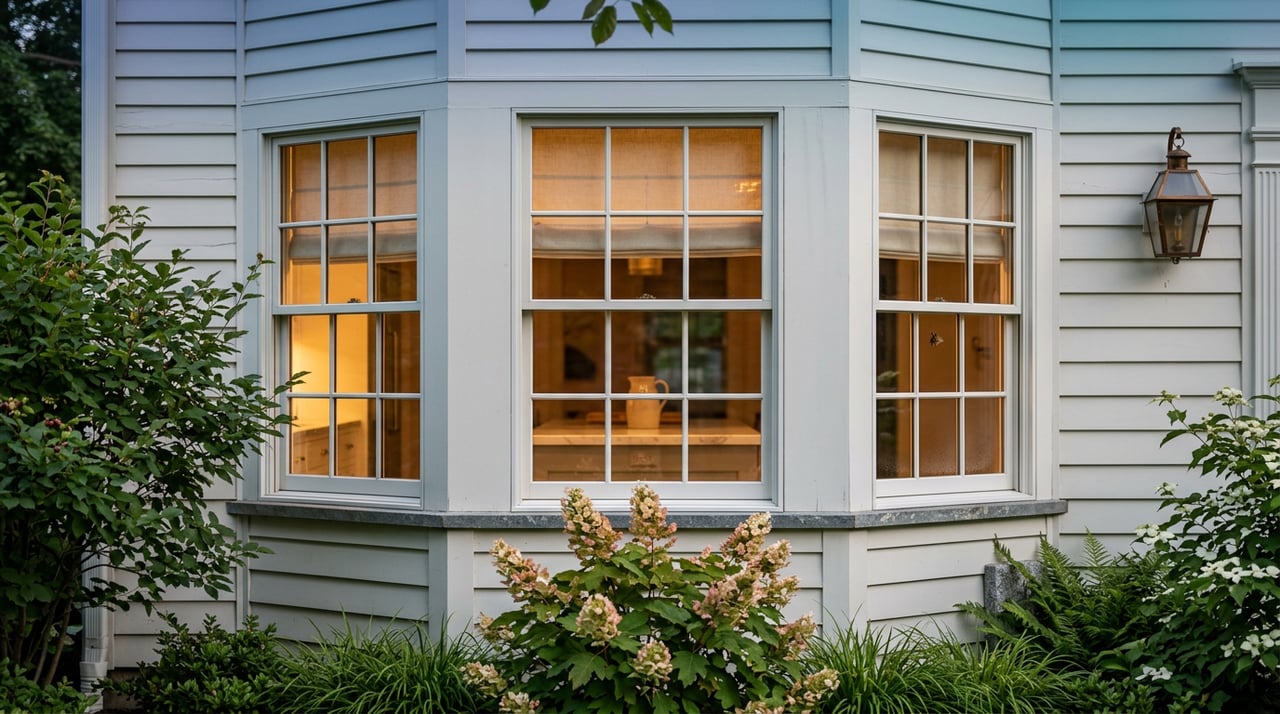
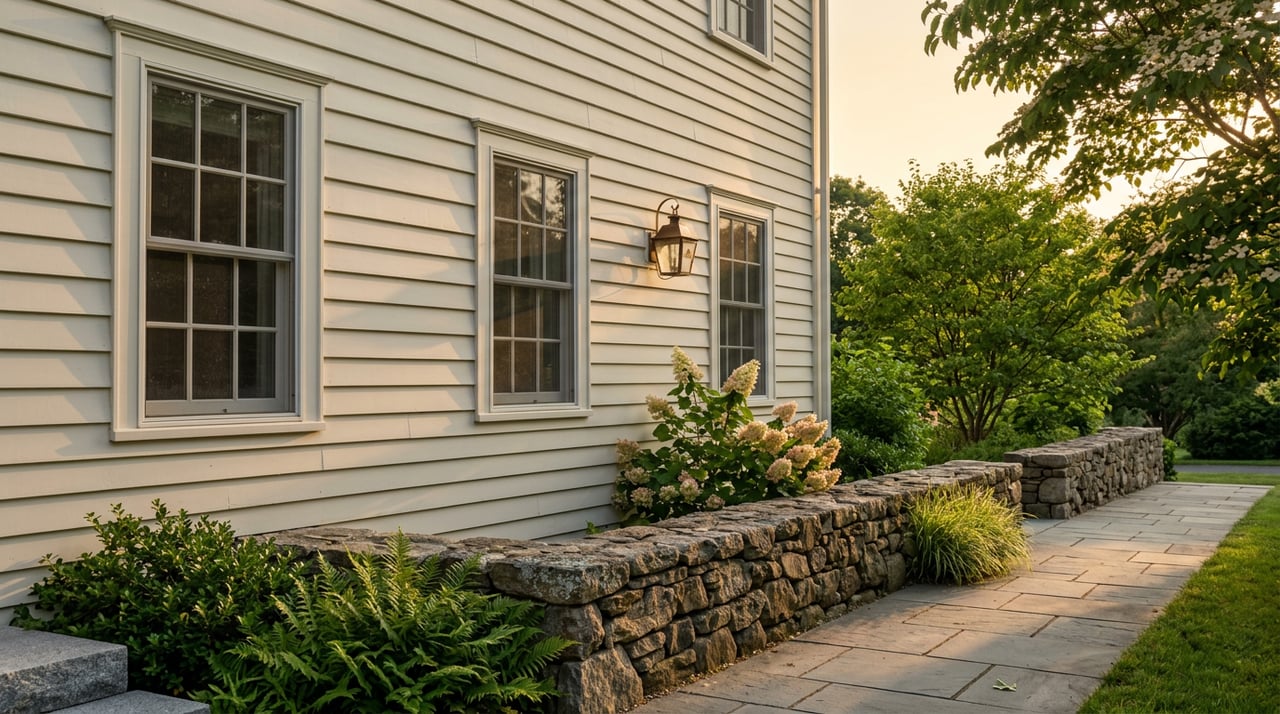
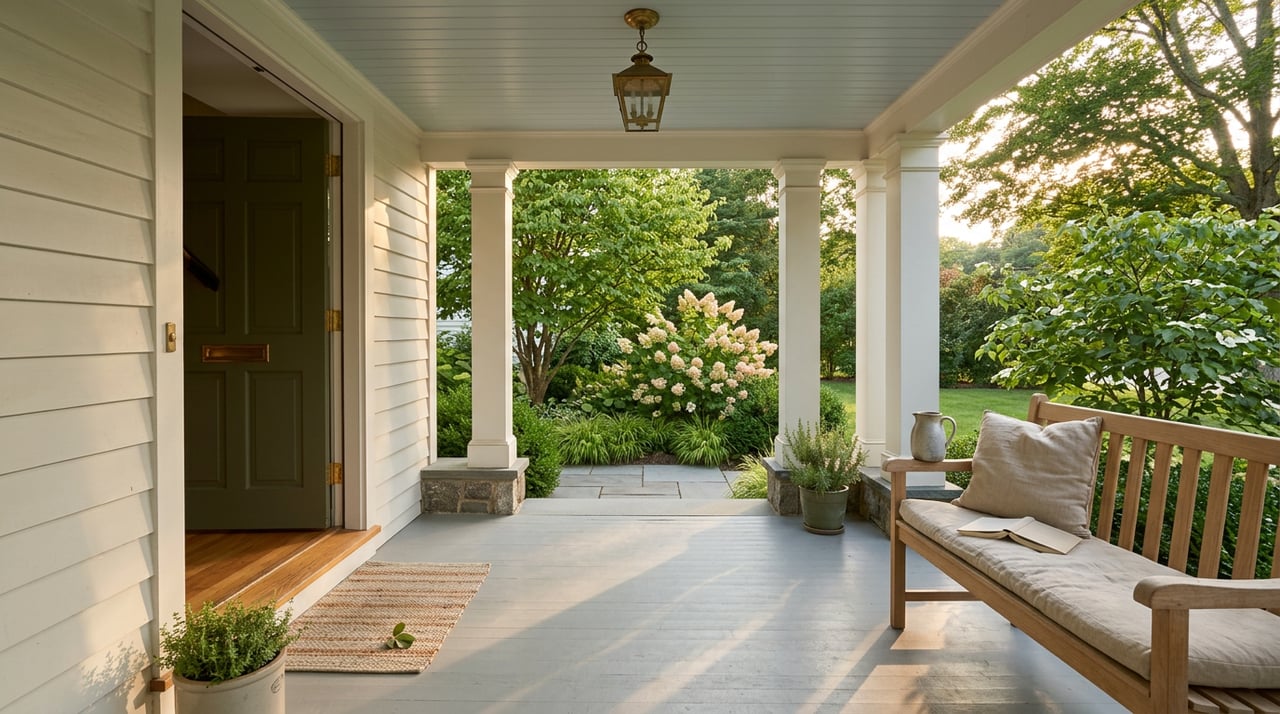
The Cambridge Historical Commission’s materials point toward a practical category of lower-disruption work. Window repair or restoration, exterior paint, and other maintenance-focused refreshes can improve light, perceived condition, and overall coherence while preserving the character buyers often want in the first place.
This approach aligns well with a design-led value strategy. If you can improve function and appearance through measured updates rather than structural upheaval, you may protect more of your budget while still meaningfully changing the home’s usability.
Here is the key mindset: hidden value in Cambridge is often less about creating a completely different house and more about revealing the strengths that are already there.
This is where many buyers get surprised. In Cambridge, even modest projects can involve more review than expected, especially if a home is in a historic district.
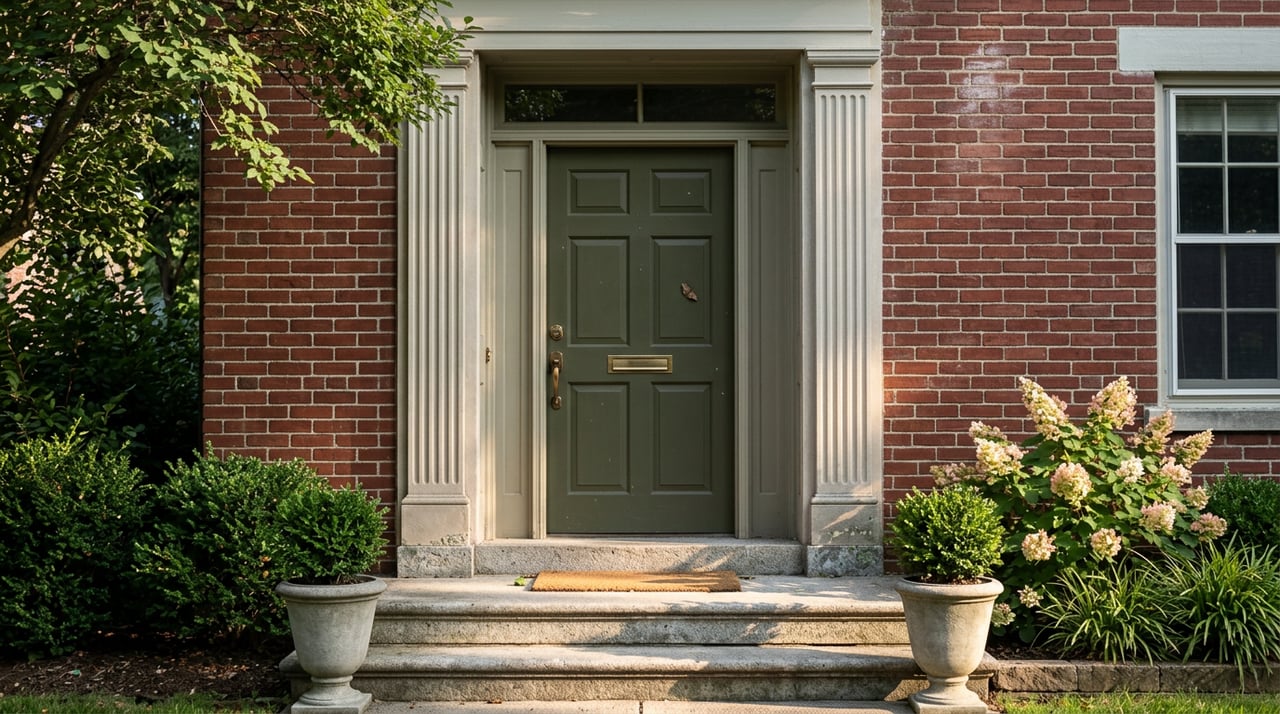
The Cambridge Historical Commission regulates changes affecting publicly visible features in historic districts. The city notes that exterior changes are reviewed whether or not a building permit is required, and reviewed items can include paint and roof color, storm doors and windows, gutters, fences, driveways, and window air conditioners.
That means you should not assume a “simple exterior refresh” is automatically simple. If a property is in a historic district, one of the Commission’s certificates may be required before a building permit can be issued for applicable work.
There is also some good news. The city notes that interior alterations, work done in kind, and alterations not visible from a public way may qualify for a Certificate of Non-Applicability in certain cases. The right path depends on the property and the scope of work, so early due diligence matters.
Cambridge’s building permit rules add another layer of decision-making. The city states that anyone seeking to construct, alter, repair, or demolish a structure must first obtain a building permit, although ordinary repairs are exempt.
That distinction matters because buyers often lump all post-closing projects into one mental bucket. In reality, maintenance, ordinary repair, interior alteration, and exterior change can each trigger different levels of review.
Before you underwrite an older home as an “easy cosmetic project,” it helps to sort your wish list into categories:
That framework can help you understand whether your timeline, budget, and appetite for project management actually fit the home.
If you are buying an older Cambridge home, lead safety should be part of your planning from day one. Massachusetts states that homes built before 1978 may contain lead.
The state’s Lead Law requires removal or control of lead paint hazards in homes where children under 6 live. Massachusetts also says that renovation, repair, and painting work in pre-1978 housing that disturbs more than 6 square feet of painted surface per room on the interior, or more than 20 square feet on the exterior, must be performed by a lead-safe renovation contractor.
This is one reason “just paint it” is not always a casual next step in an older property. If your plans involve sanding, scraping, or broader paint disturbance, the scope can quickly become more regulated than buyers expect.
In Cambridge, hidden value is usually not about finding a cheap house and transforming it overnight. It is about identifying a property whose existing structure, light, and layout can be improved intelligently without fighting the home at every turn.
That is especially true in a city with strong preservation oversight, limited single-family inventory, and housing forms that reflect a much older development pattern. The homes that tend to make the most sense are the ones where the bones are readable, the plan is fixable, and the likely improvements are grounded in what is actually feasible.
This is where a calm, strategic buying process matters. If you start with your end goal, then work backward through layout, light, permits, preservation, and project scope, you are much more likely to recognize real opportunity and avoid expensive wishful thinking.
If you want help evaluating whether an older Cambridge home has true upside or just expensive complexity, Kelly Kovacs can help you build a research-driven plan around your goals.
Stay up to date on the latest real estate trends.
Real estate is about more than just a transaction—it's about your future. Whether you're buying, selling, or investing, let's work together to make your vision a reality.