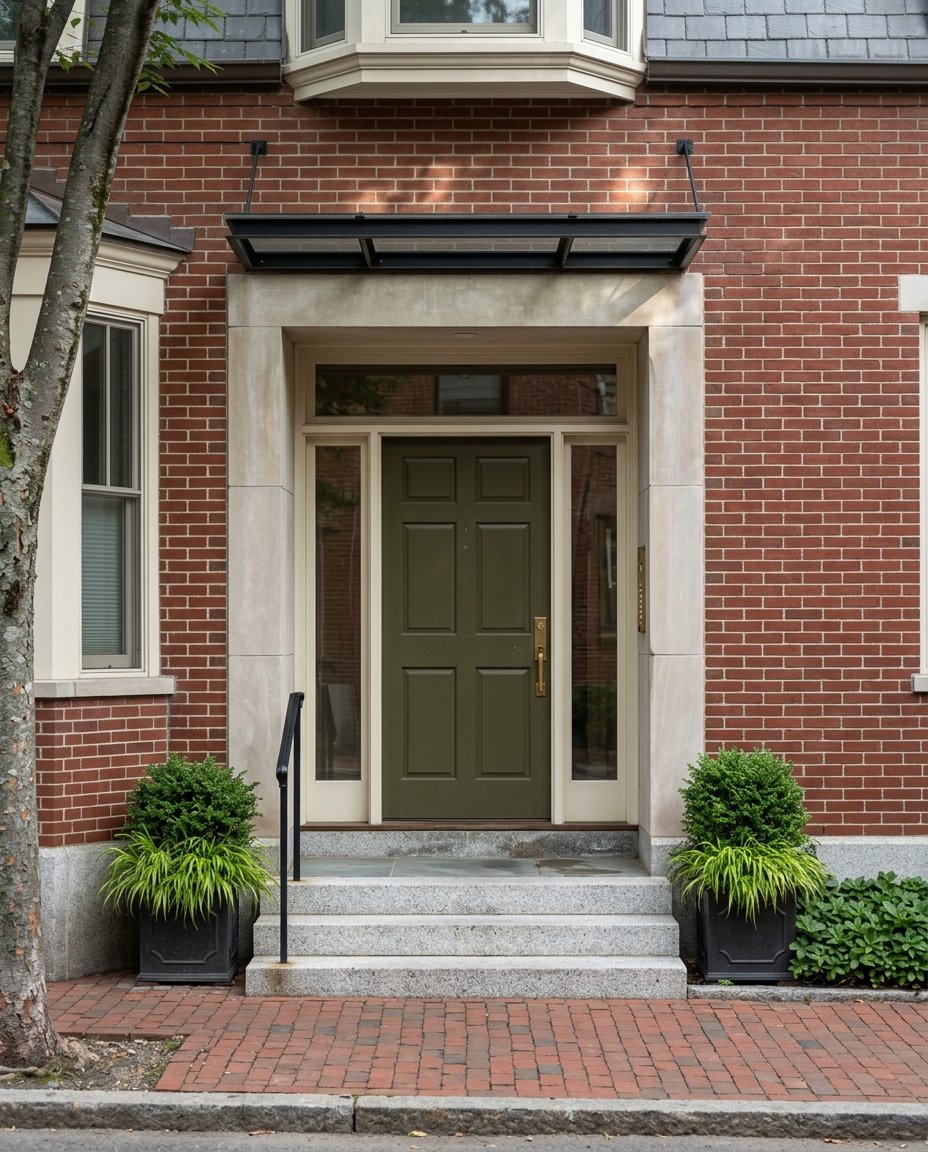
Brookline Villages Comparison for Your Lifestyle
May 14, 2026
May 14, 2026
Trying to choose the right part of Brookline can feel harder than choosing the right home. In a town with several distinct village centers, your daily routine can change a lot from one area to the next, even when the map makes them look close together. If you want to match your home search to how you actually live, this guide will help you compare Brookline’s villages through a practical, goal-first lens. Let’s dive in.
Brookline is only about six square miles, but it does not live like one uniform market. Town planning materials identify eight distinct commercial areas, and the scale difference between them is meaningful.
That matters because your village choice shapes your errands, commute, housing options, and even how often you may need your car. In Brookline, lifestyle fit often comes down to a few blocks, not just a ZIP code or a broad town label.
Brookline’s housing pattern also helps explain why this decision matters. Town materials describe mixed-density neighborhoods near Coolidge Corner, Brookline Village, and Washington Square, with most multifamily housing in North Brookline and most single-family housing in South Brookline.
When you are choosing among Brookline’s villages, it helps to work backward from your real priorities. If your goal is a fast commute and low-car living, you should evaluate different areas than someone who wants larger homes, major park access, or a quieter street pattern.
A simple way to frame the search is this: decide what you want your average Tuesday to look like. Think about your transit needs, errand routine, dining habits, parking expectations, and how much street activity feels energizing versus exhausting.
Brookline Village is often the strongest fit if you want a practical, service-oriented daily routine. Town Hall, the Public Safety Building, and the Brookline Village Library are all in the village center, which makes civic errands unusually convenient.
The town’s 2024 commercial-area report also shows that Brookline Village has 204 storefronts and the highest concentration of service businesses. That gives the area a very functional feel for day-to-day living.
If you like the idea of doing more on foot without needing a heavy retail scene every day, Brookline Village stands out. It blends walkability with a more grounded, everyday rhythm.
There is also an arts cluster growing along Station Street and Washington Street. That adds some local energy without changing the area’s core identity as a practical village center.
Transit is one of Brookline Village’s biggest advantages. The D line serves the area, and buses 65 and 66 also run through it.
Those connections matter if you want flexibility. Route 65 links Brookline Village with Washington Square, and Route 66 links Brookline Village with Coolidge Corner.
Housing near Brookline Village is mixed, which can be useful if you want options. Town materials connect Harvard Avenue to the historic town center and describe substantial single-family development there, while planning and housing reports also note mixed-density and multifamily housing near the Route 9 and Brookline Village area.
In practical terms, this means your block choice really matters. A home near the core may feel very different from one a few streets away, even if both are considered part of the same village area.
The Riverway is a meaningful asset here. It forms the lower, narrower section of the Emerald Necklace between Brookline Village and the Back Bay Fens, giving the area access to a linear-park setting that can soften the urban fabric.
At the same time, parking is not a small detail. The town has studied parking and curb use in Brookline Village, and commercial permit parking in the district is already full with a waiting list, so car owners should compare specific blocks carefully.
If your priority is dining, shopping, and a more urban village feel, Coolidge Corner is usually the clearest match. Brookline describes it as the principal commercial district, and the 2024 commercial-area report says it has the most restaurants and retail businesses.
Coolidge Corner is also the largest village center by storefront count, with 212 storefronts. That scale gives it a busier, more active feel than most other parts of Brookline.
This is the place to look first if you want the strongest concentration of amenities. If you enjoy being near restaurants, retail, and a denser street grid, Coolidge Corner offers that experience more clearly than Brookline Village or Washington Square.
That convenience can come with tradeoffs. A more urban rhythm may mean more street activity, more curb competition, and a housing stock that leans more toward condos, apartments, and attached homes than larger-lot suburban-style properties.
Coolidge Corner benefits from the C-line corridor and bus 66. For buyers who want strong transit access, that is a major advantage.
But if you plan to keep a car, look closely at block-level parking realities. The town is studying parking and curb use there, which is a good sign that curb pressure is a real consideration, not just a minor inconvenience.
While Coolidge Corner feels more built-up, nearby green spaces help balance that out. Town materials point to places like Amory Playground and Hall’s Pond Sanctuary as nearby open-space assets.
If you want an active commercial setting but still value access to outdoor breaks, that mix can be appealing. It may not feel suburban, but it does not have to feel all concrete either.
Washington Square is often a smart middle-ground choice. It works well for buyers who want neighborhood convenience and transit access, but do not need the larger commercial scale of Coolidge Corner.
The town’s business-association page notes streetscape features such as benches, planters, garden areas, and a Victorian clock. Combined with its smaller storefront count of 67, that supports a more neighborhood-scale feel.
If you want useful amenities without the intensity of Brookline’s busiest nodes, Washington Square deserves serious attention. It can feel more contained and residential while still giving you everyday convenience.
This is especially relevant if your priorities include walkability, transit, and a somewhat quieter village-center experience. For many buyers, that combination is the sweet spot.
Washington Square is served by bus 65 and sits near the Beacon Street C-line corridor. That makes it a strong option for transit-minded buyers who still want a somewhat calmer setting.
As with the other busier nodes, parking still deserves a close look. The town is studying curb use here as well, so exact block conditions matter.
If your lifestyle priorities point toward more suburban scale, historic housing, and easier car-based access, Chestnut Hill is often the best fit among Brookline’s village choices. It offers a different rhythm from the more transit-centered core villages.
The local historic district is almost entirely residential and includes 102 homes and ancillary structures. At the same time, the town’s current commercial-area study is looking at ways to make parts of the area denser, more walkable, and more mixed-use along Route 9.
Chestnut Hill is not as village-center oriented as Brookline Village or Coolidge Corner. That makes it a stronger match if you want more residential scale and less dependence on a commercial core for your identity of place.
It can also be a good fit if your home search is prioritizing house form, lot size, and park access over a dense retail cluster. In Brookline, that is a real distinction.
For green space, Chestnut Hill stands out. Larz Anderson Park is Brookline’s largest park, and the Reservoir adds another major outdoor destination with a one-mile walking loop.
Transit is still available through bus Route 60, which connects Chestnut Hill Mall, Boylston Street, Cypress Street, Brookline Village, and Kenmore. So while it is more car-friendly, it is not cut off.
A few smaller commercial nodes can also match specific lifestyles, especially if you want transit access without the scale of Brookline’s largest centers.
St. Mary’s Station is a compact, transit-first option with surrounding apartment buildings, low 2024 vacancy, and new restaurant growth. JFK Crossing is smaller and more niche, with the town using it for pop-up storefront testing rather than treating it as a primary village-center search area.
These locations may not be the first stop for every buyer, but they can make sense if you are looking for a narrower lifestyle match. In a town like Brookline, niche fit can be a real advantage.
If you want a clean starting point, use your main goal to narrow the map.
This kind of sorting can save you time. It also helps you avoid touring homes in areas that look good on paper but do not support the way you actually want to live.
One of the biggest Brookline search mistakes is stopping at the village name. Because the village centers are embedded in surrounding residential neighborhoods, a home just a few streets off the commercial core can feel much quieter while keeping the same transit and errands within reach.
That is why a block-by-block strategy matters here. In a town with mixed-density patterns and several distinct commercial nodes, two homes in the same village can deliver very different day-to-day experiences.
This is where a research-driven approach helps. Instead of asking only, “Which village is best?” it is smarter to ask, “Which blocks best support my commute, parking needs, housing goals, and everyday routine?”
If you are planning a Brookline move, the right answer is rarely the most famous village. It is the one that best fits your version of convenience, space, and long-term value.
If you want help building that kind of plan, Kelly Kovacs can help you reverse-engineer your search around your lifestyle, budget, and decision points with a calm, research-backed strategy.
Stay up to date on the latest real estate trends.
Real estate is about more than just a transaction—it's about your future. Whether you're buying, selling, or investing, let's work together to make your vision a reality.