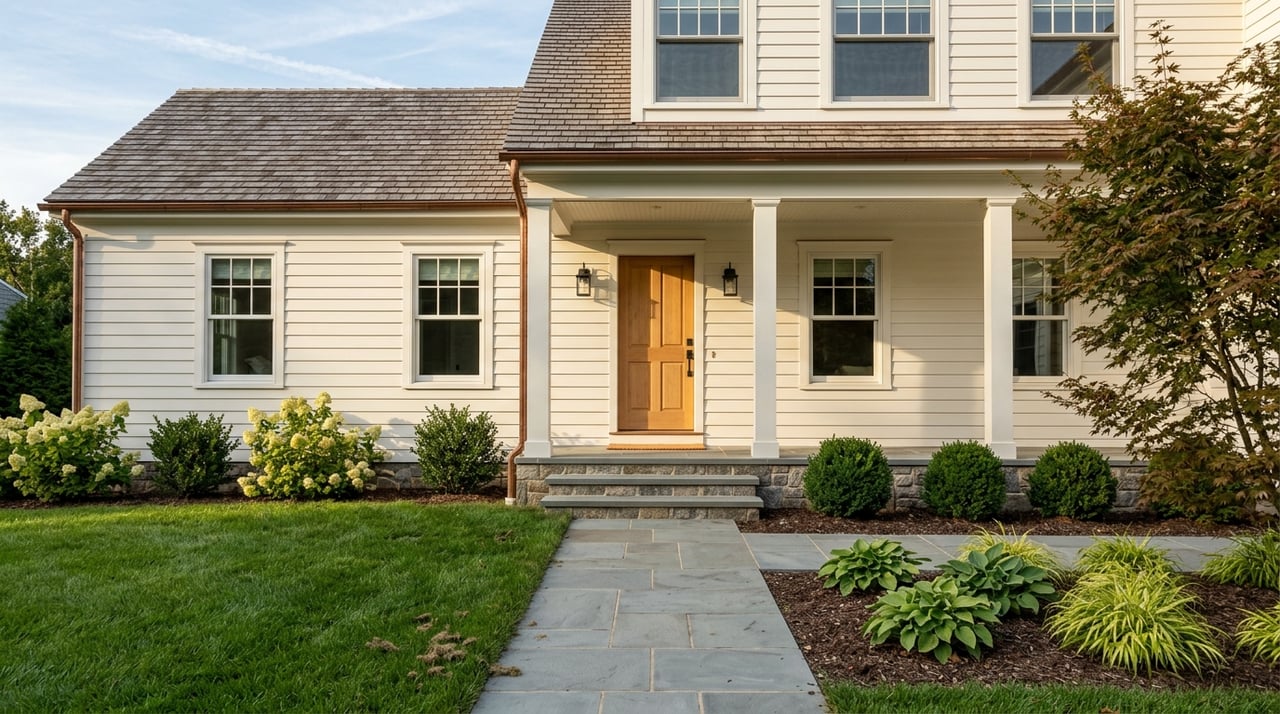
A Strategic Guide to Selling a Home in Weston
May 7, 2026
May 7, 2026
If you are preparing to sell in Weston, the biggest mistake is assuming a high price point will do the work for you. Buyers in this market are still active, but they are selective, comparison-driven, and quick to notice when a home feels overpriced or underprepared. The good news is that with the right plan, you can enter the market with more control, less stress, and a stronger position. Let’s dive in.
Weston is a premium market, but it is also a narrow one. The town’s Housing Production Plan notes that 89% of occupied housing units are single-family homes, and it saw no multi-family housing permits between 2000 and 2018. That means your home is entering a market with limited inventory, but also with fewer directly comparable sales.
In practice, that makes pricing and positioning more important. You cannot rely on broad market momentum alone when buyers are closely comparing condition, layout, and presentation across a relatively small pool of homes.
Recent market snapshots also suggest a market that is strong, though not chaotic. Redfin reported a median sale price of about $2.308 million in March 2026, with average days on market at 45. Realtor.com described Weston as a balanced market in early 2026, with roughly 36 to 50 homes for sale, median days on market between 22 and 25, and sale-to-list ratios around 95% to 97%.
That matters because the story is not “list anything and expect a bidding war.” The more useful takeaway is this: in Weston’s higher-end market, well-priced, move-in-ready homes have the clearest edge.
If your goal is to sell in the spring, your preparation should begin well before spring. Realtor.com’s 2026 Best Time To Sell analysis found that the Boston-Cambridge-Newton metro’s peak week comes earlier than the national average, landing around March 8, 2026.
That earlier window can be valuable, but only if your home is already ready to launch. Waiting until late winter to make decisions about repairs, paint, staging, or photography can leave you chasing the market instead of entering it strategically.
The same analysis found that homes listed during the best week historically spent 17% less time on market, faced 11.9% fewer competing sellers, and saw 18.9% fewer price reductions than the average week. Timing helps, but timing only works when preparation is already done.
For many Weston sellers, a calmer path looks like this:
This is the kind of planning that fits a Reverse Roadmap approach. Start with your target listing window and work backward so each decision supports the end goal.
In a market like Weston, pricing is part analysis and part strategy. Because the housing stock is heavily single-family and the number of comparable sales may be limited, the right price is rarely about picking the highest recent number and hoping buyers follow.
Instead, your list price should reflect recent sold data, current competition, and how your home presents relative to other available options. In a balanced market where average homes may sell below list, an aspirational price can create drag that is hard to undo.
A stale listing sends a message, especially at the upper end. Buyers often interpret extra days on market as a sign that something is off, whether that is condition, pricing, or both.
Based on the research, Weston remains supply-constrained, but buyers are not behaving like they did in the peak frenzy years. Some homes still receive multiple offers, yet average homes may sell around 3% below list price, and sale-to-list ratios have been landing closer to 95% to 97%.
That is why pricing to attract serious early interest is often more effective than pricing high and planning to negotiate down. In a selective market, early momentum matters.
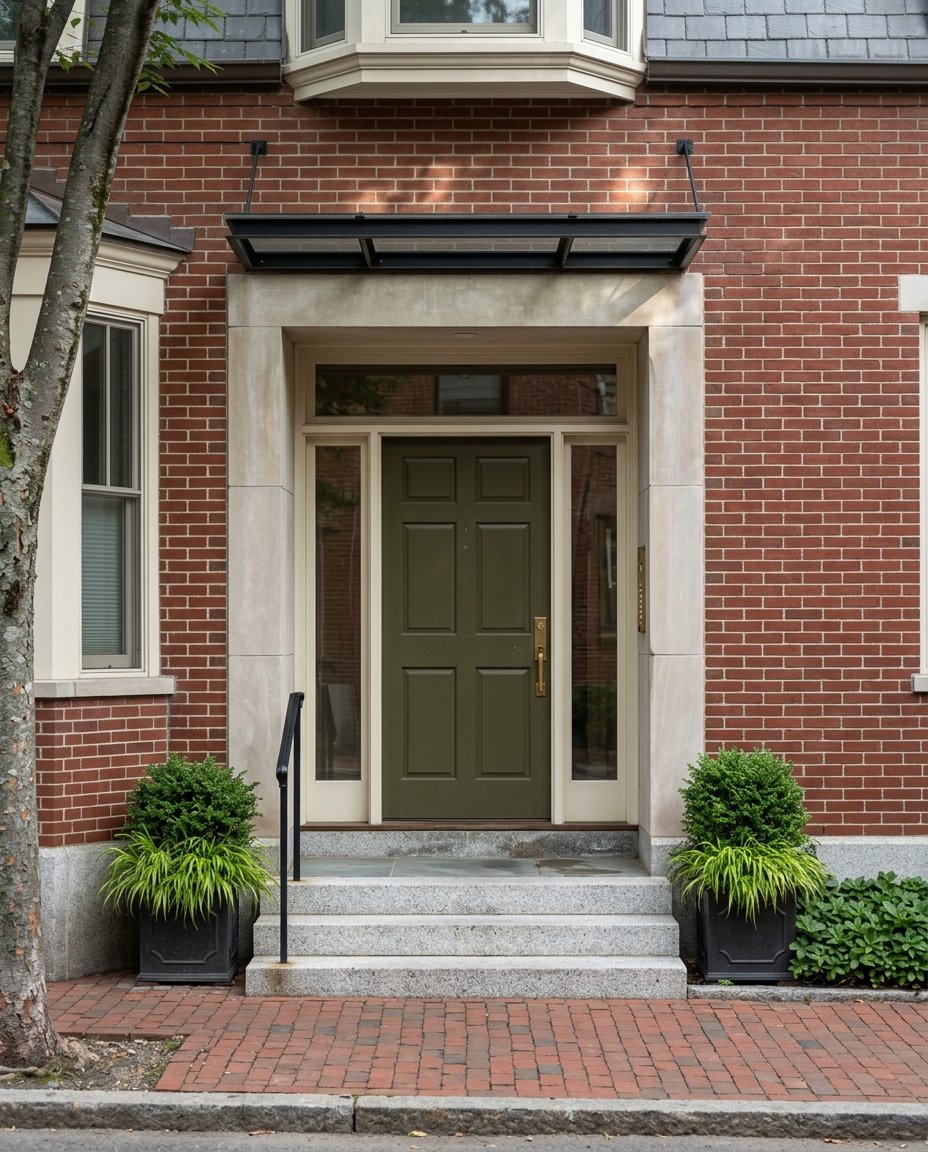
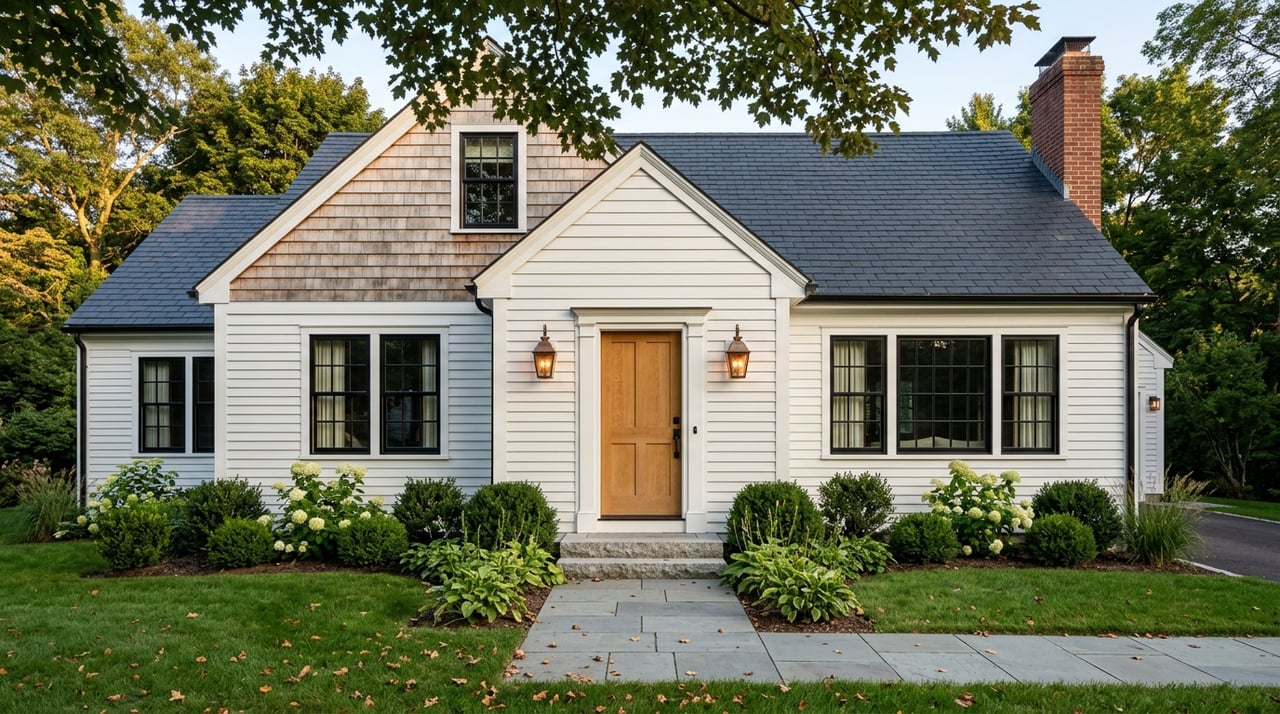
Before you spend heavily, it helps to know what tends to produce the best resale return. Zonda’s 2025 Cost vs. Value report found that exterior replacement projects led the list nationally, including garage door replacement, steel entry door replacement, manufactured stone veneer, and fiber-cement siding replacement. A minor kitchen remodel also performed well, but large discretionary interior remodels generally delivered less efficient returns.
The broader lesson is simple: visible, broadly appealing improvements often outperform expensive, taste-specific renovations. Buyers respond to homes that feel well maintained and easy to move into.
For many Weston sellers, that means your best pre-listing investments are not dramatic. They are practical upgrades that improve first impressions and reduce buyer hesitation.
NAR’s staging research found the most commonly recommended seller improvements were:
These are often the highest-confidence moves because they make the home feel cleaner, brighter, and easier to understand. In a higher-end market, buyers expect polish, but polish does not always require a full renovation.
A full kitchen or bathroom remodel can be tempting before a sale, especially if you are worried the home feels dated. But the resale data suggests caution.
Large custom renovations are expensive, and buyer tastes vary. Unless a kitchen or bath is so dated that it clearly hurts buyer perception, a modest refresh is often the more defensible choice.
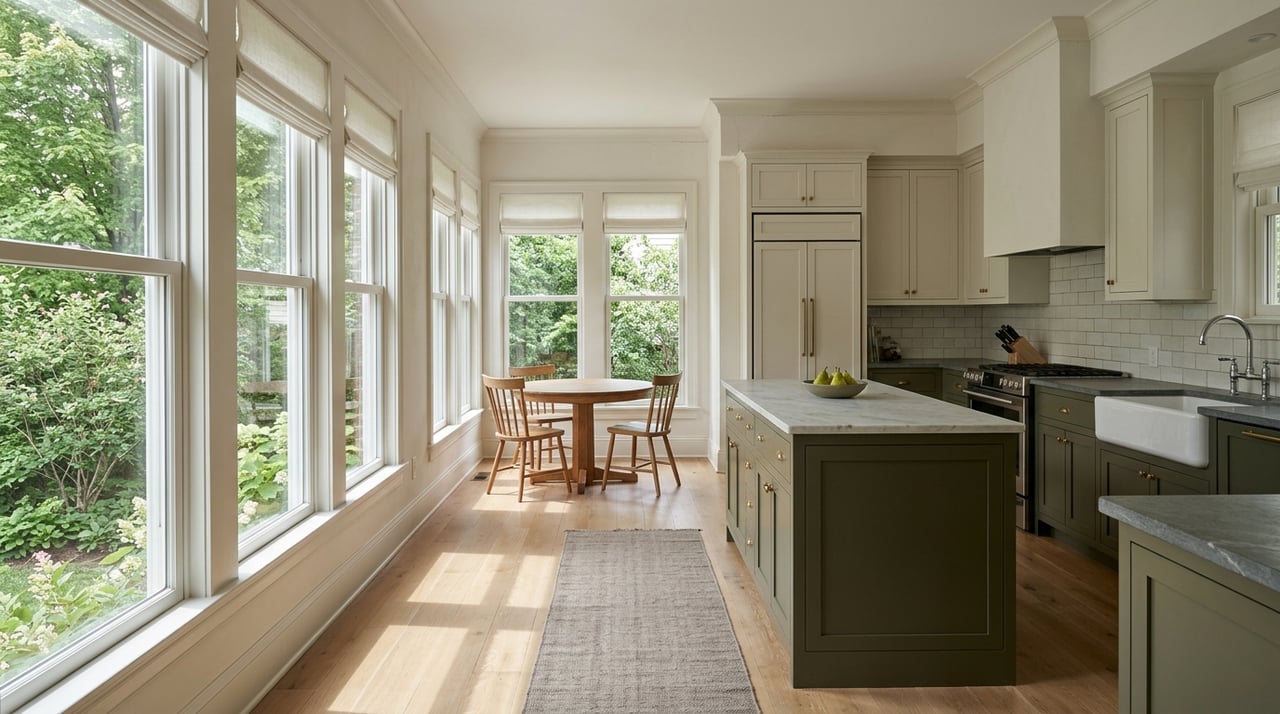
That might mean updated hardware, lighting, paint, surfaces, or appliance replacements instead of a full rebuild. The goal is not to create your dream space right before leaving it. The goal is to remove friction for the next buyer.
In Weston’s price range, buyers expect a stronger presentation package. NAR’s 2025 staging research found that 83% of buyers’ agents said staging made it easier for buyers to visualize a property as their future home.
The same report found that buyers’ agents viewed photos, traditional staging, video, and virtual tours as important parts of marketing. For higher-end listings, that supports a launch strategy built around polished visuals, not just a few listing photos and a basic description.
This is especially important if you want your home to feel turnkey rather than like a future project. Strong presentation helps buyers understand the value quickly, which supports better early interest.
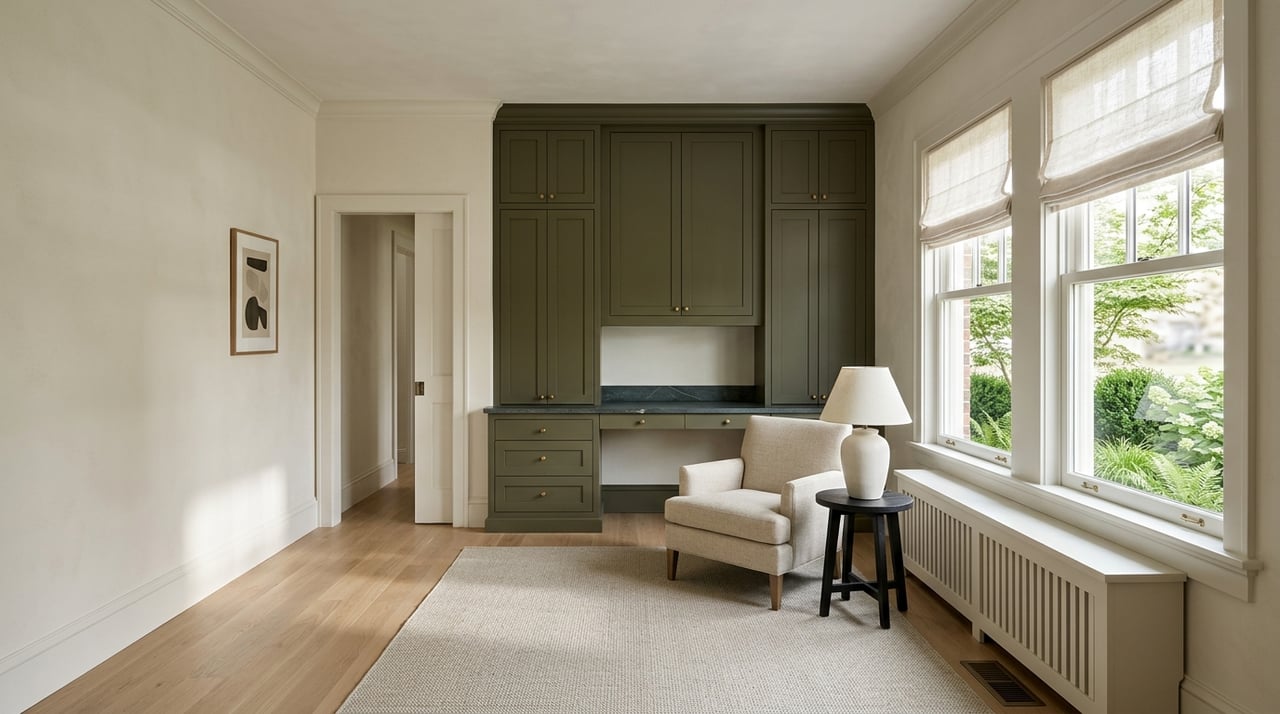
If you are deciding where to focus energy and budget, the staging data points to three rooms that matter most:
These spaces often shape a buyer’s emotional read of the home. When they feel calm, functional, and well scaled, the entire property tends to show better.
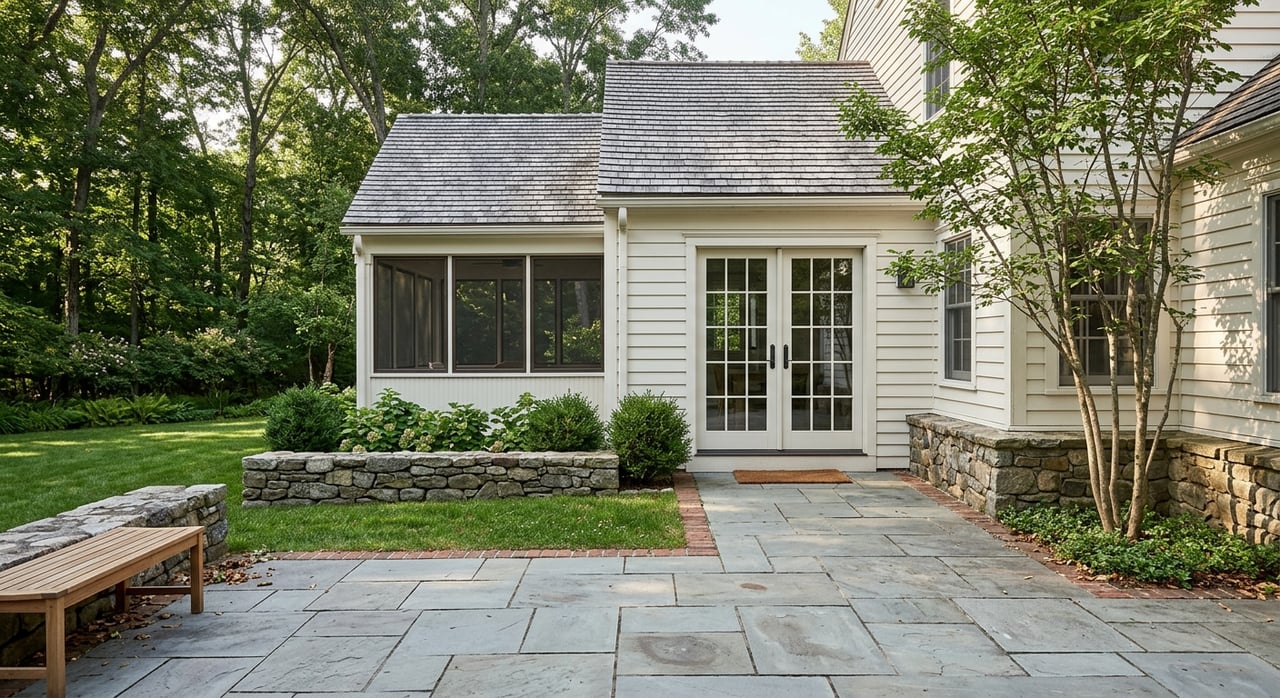
In a selective market, your listing should read as a polished property story, not a renovation pitch. That means emphasizing features that are broadly appealing and easy for buyers to picture themselves enjoying.
For many Weston homes, that may include:
This is where strategy and design awareness work well together. Buyers do not just purchase square footage. They respond to how a home feels, functions, and fits daily life.
One of the easiest traps in an upper-tier market is over-improving for resale. Sellers sometimes assume that more money spent automatically leads to more money back, but the data does not consistently support that.
A better standard is whether an improvement makes the home easier to understand, easier to show, and easier for buyers to say yes to. Clean lines, neutral finishes, repaired systems, fresh paint, and strong curb appeal usually do more for marketability than an expensive, highly personal redesign.
That approach also keeps your prep plan more efficient. Instead of pouring time and money into custom updates, you can concentrate on the changes most likely to support pricing, presentation, and buyer confidence.
If you want a practical framework, most successful prep plans in this kind of market come back to five things:
This is not about hype. It is about reducing uncertainty for buyers and creating a launch that feels calm, deliberate, and well supported by the market.
If you are thinking about selling in Weston, the best first step is usually not rushing to list. It is building the plan backward from your ideal outcome, your timing, and the condition of the home so every decision serves the sale. When you want a strategy that is calm, research-driven, and tailored to your property, Kelly Kovacs can help you map out the next move.
Stay up to date on the latest real estate trends.
Real estate is about more than just a transaction—it's about your future. Whether you're buying, selling, or investing, let's work together to make your vision a reality.