Living In Concord MA: History, Nature, And Home Styles
May 21, 2026
May 21, 2026
Wondering if Concord is the kind of town that looks beautiful on a weekend visit but feels very different once you live there? That is a smart question to ask, especially in a market where home values, housing styles, and day-to-day routines can vary a lot block by block. If you are considering a move, this guide will help you understand how Concord’s history, open space, village centers, and housing stock shape real life here. Let’s dive in.
In Concord, history is not just something you visit. It is part of the daily setting. The town identifies itself as the site of the first battle of the American Revolutionary War on April 19, 1775, and as the home of writers and thinkers like Henry David Thoreau, Ralph Waldo Emerson, Bronson and Louisa Alcott, and Nathaniel Hawthorne.
That historic identity shows up in more than landmarks. Concord’s local historic districts are described by the town as connected cultural landscapes, where history remains integral to village centers, rural roads, and neighborhoods. The town identifies six local historic districts, including Monument Square/North Bridge, Main Street, American Mile, and Barrett Farm.
For you as a buyer or seller, that matters because character and oversight often go together. In older parts of town, preservation guidance emphasizes open settings, view corridors, stone walls, and additions that fit existing scale and style. Concord also reviews total demolition proposals for structures that are 50 years old or more.
Concord’s outdoor access is not a small bonus. It is one of the town’s defining features. The town’s Natural Resources Division manages more than 1,500 acres of conservation land, including Hapgood Wright Town Forest, Mattison Field, October Farm Riverfront, Punkatasset Preserve, and White Pond Reservation.
That open-space network extends beyond town-owned land. Concord Land Conservation Trust says it has protected more than 900 acres and holds conservation restrictions on another 265 acres. The result is a landscape shaped by woods, meadows, fields, and protected views that can influence how a home feels from season to season.
You also have access to major regional outdoor destinations right in town. Minute Man National Historical Park spans about 1,038 acres across Concord, Lexington, and Lincoln, is open daily from sunrise to sunset, and has no entrance fee. Walden Pond State Reservation offers swimming, hiking and walking, boating, a visitors center, and the Thoreau cabin replica.
For everyday recreation and movement, the Bruce Freeman Rail Trail is another major asset. Town materials describe it as a 25-mile shared-use path, with 3.5 miles in Concord. That can support biking and walking between neighborhoods and village centers in a way that shapes your weekly routine, not just your weekends.
One of the biggest mistakes buyers make is thinking of Concord as one single experience. It is better understood as several village centers with different rhythms. Where you live will shape how walkable, rail-accessible, or tucked-away your daily life feels.
Concord Center is the town’s most historic and visitor-oriented core. The town describes it as a walkable New England business village bordered by 18th- to 20th-century buildings and landscapes, with civic buildings, locally owned shops, restaurants, galleries, and major historic sites nearby.
If you want to be close to a classic village setting, this area offers that feel. In practical terms, homes here may appeal to buyers who value proximity to local businesses, historic character, and a more active center-of-town atmosphere.
Thoreau Depot has a more rail-oriented identity. The town says it is anchored by the MBTA commuter rail, serves everyday needs such as groceries and services, and sits about a half mile from Concord Center.
For some buyers, that blend can be compelling. You may get a location that supports regular errands and commuting access while still being closely tied to the larger Concord Center environment.
West Concord offers a somewhat different experience. The town describes it as a more modern, business-oriented district with access to the West Concord MBTA station, the Bruce Freeman Rail Trail, and Route 2. Visit Concord also describes it as a walkable village center with arts, dining, shopping, and recreation.
If your priority is practical convenience with village energy, West Concord may stand out. It can feel different from the more historic core, which is why a location-specific strategy matters when you evaluate value and long-term fit.
Concord is a high-value housing market, but it is not made up of one property type. Census data show a 75.7% owner-occupied housing unit rate, a median owner-occupied home value of $1.21 million, and a median gross rent of $2,631. Those numbers reflect a market where ownership is common, values are high, and housing decisions carry real long-term weight.
The town’s Community Preservation Plan says most owner-occupied housing units are detached single-family homes on individual lots. It also notes that rental housing makes up about 21% of the stock and that Concord continues to look for more housing variety near village centers and transit, including newer rental additions like Concord Mews and Brookside Square.
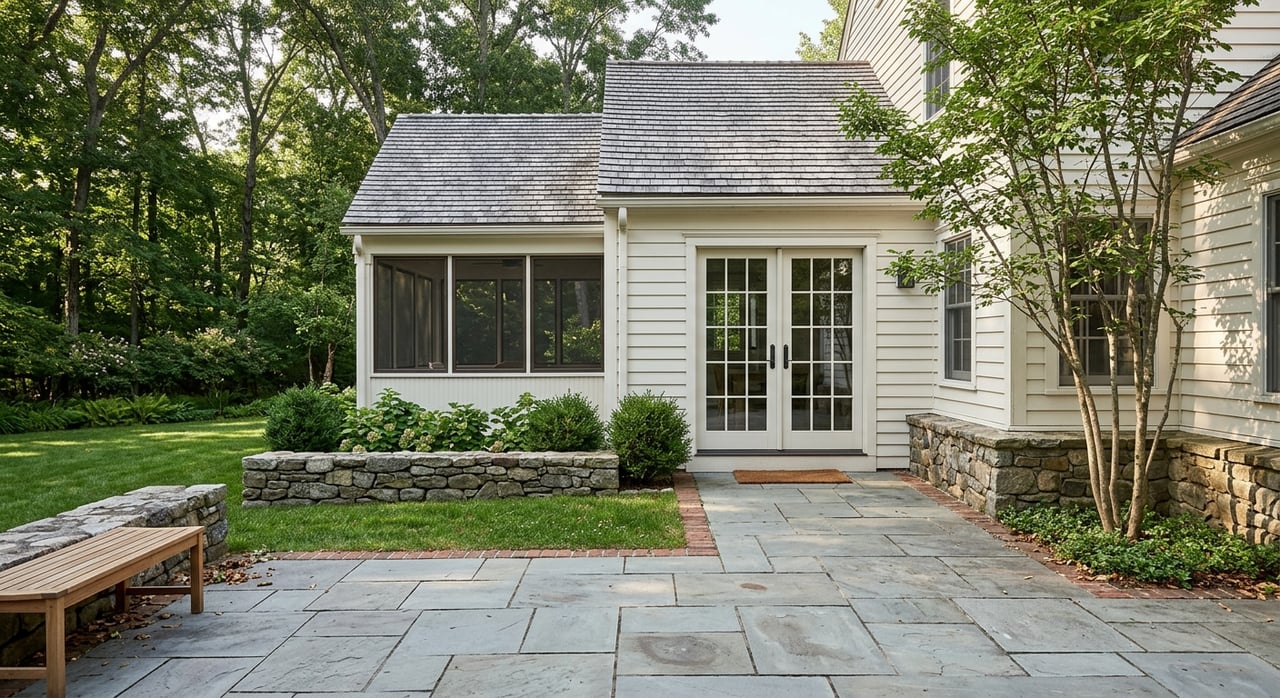
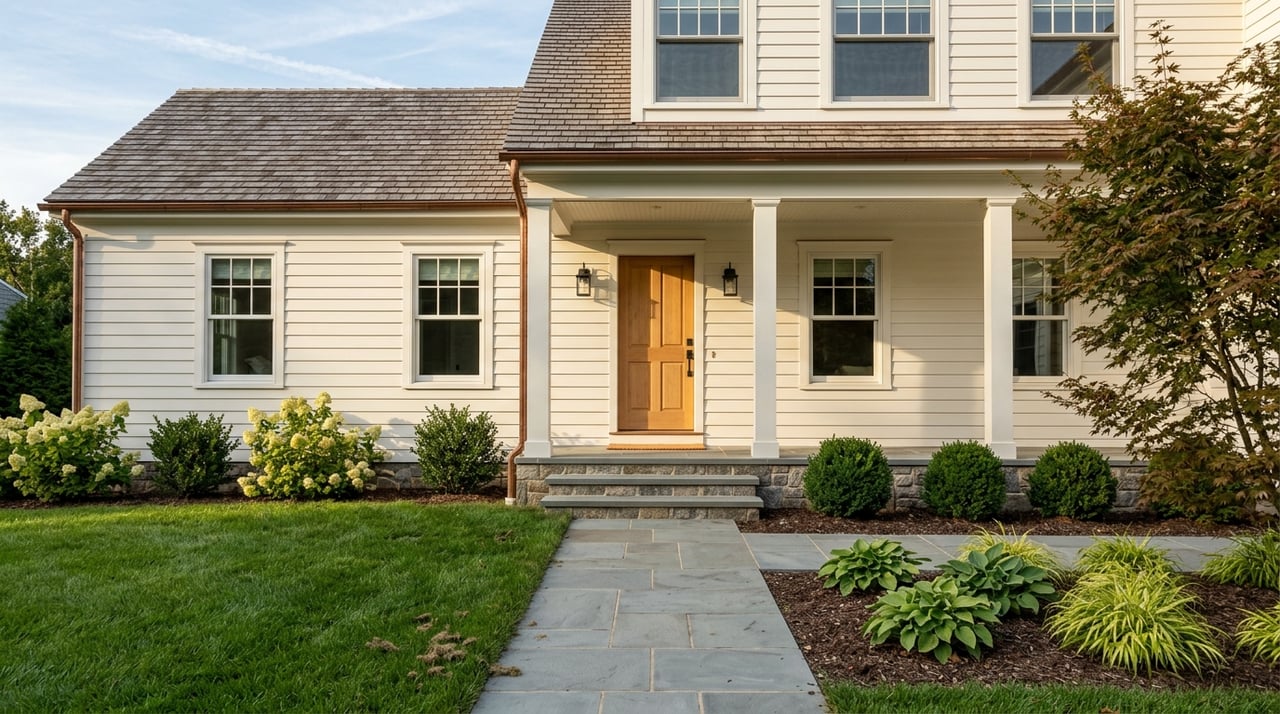
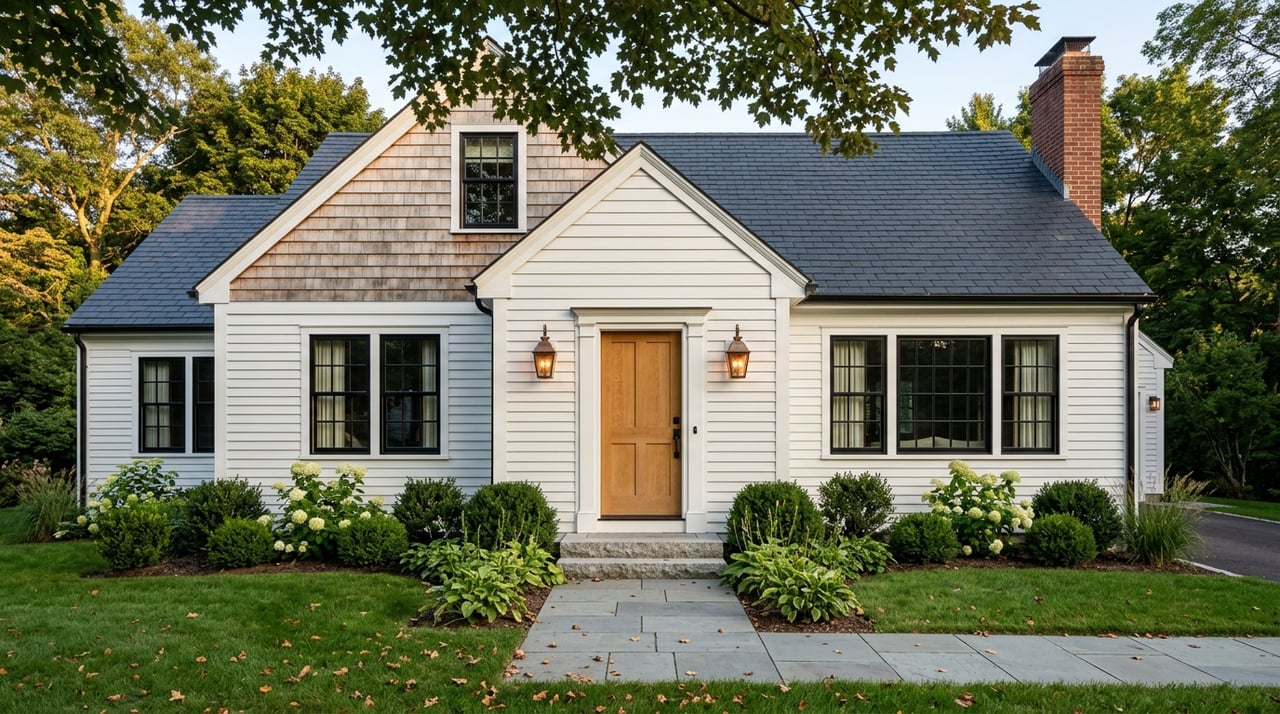
From a style perspective, buyers can encounter a wide range of homes. Concord’s West Concord Historic Resource Survey identifies Colonial, Federal, and Greek Revival homes in early village centers; late Victorian residences; early 20th-century revival styles; bungalows and Foursquares; and postwar Capes, split levels, and ranches.
That range creates real tradeoffs. Older homes may offer more architectural character and a strong sense of place, while postwar or mixed-age areas may be easier to adapt over time. If you are comparing options, it helps to look beyond square footage and ask how much preservation context, renovation complexity, and layout flexibility you want in your next home.
In Concord, historic character can shape not just what you buy, but what you can change. The town’s preservation guidance emphasizes features like open settings, stone walls, and additions that fit the existing structure’s scale and style. That can be important if you are buying with plans to expand, rework the exterior, or make major visual changes.
There is also a demolition review bylaw to know about. If a structure is 50 years old or more, total demolition proposals are reviewed by the Historical Commission. For buyers and sellers alike, this adds a practical planning layer when a property’s value depends on significant redevelopment potential.
This is where a design-led and research-first approach matters. A home may have great potential, but the smartest decision comes from understanding both the physical possibilities and the local rules that shape them.
Concord sits about 20 miles west of Boston. Visit Concord describes the town as easily accessible from Route 2 via Route 495 or Route 128/I-95. That regional access is useful, but it does not mean every commute will feel quick.
Current Census data show a mean travel time to work of 32.4 minutes. That suggests Concord is better understood as a town with varied commuting experiences, not a one-size-fits-all easy ride into Boston.
The town says there are two commuter rail stations on the Fitchburg Line: Concord Center and West Concord. Visit Concord adds that West Concord has accessible boarding platforms, while Concord station does not, which may matter if station accessibility is part of your search criteria.
In real-life terms, location inside Concord matters a lot. Homes near stations, Route 2, or village centers may support a smoother weekday routine, while homes deeper into the conservation landscape may trade some convenience for a quieter and more rural feel.
Concord can be a strong match if you want a town where history, open space, and home character are central to daily life. It may especially appeal if you are looking for a detached home, value access to conservation land, or want a village-based lifestyle with commuter rail options.
It can also work well if you are willing to think strategically about tradeoffs. Some buyers will prioritize walkability and station access. Others will care more about privacy, lot setting, or proximity to trails and conservation land. Neither approach is better. The key is matching the home to your actual end goal.
If you are planning a move here, it helps to evaluate Concord the same way you would evaluate any major decision: start with the life you want to live, then work backward into the location, property type, and renovation tolerance that fit that plan best.
If you want help building that kind of plan for Concord or comparing it to other Greater Boston options, schedule a free consultation with Kelly Kovacs.
Stay up to date on the latest real estate trends.
Real estate is about more than just a transaction—it's about your future. Whether you're buying, selling, or investing, let's work together to make your vision a reality.